Taking M-Pesa when the network is down
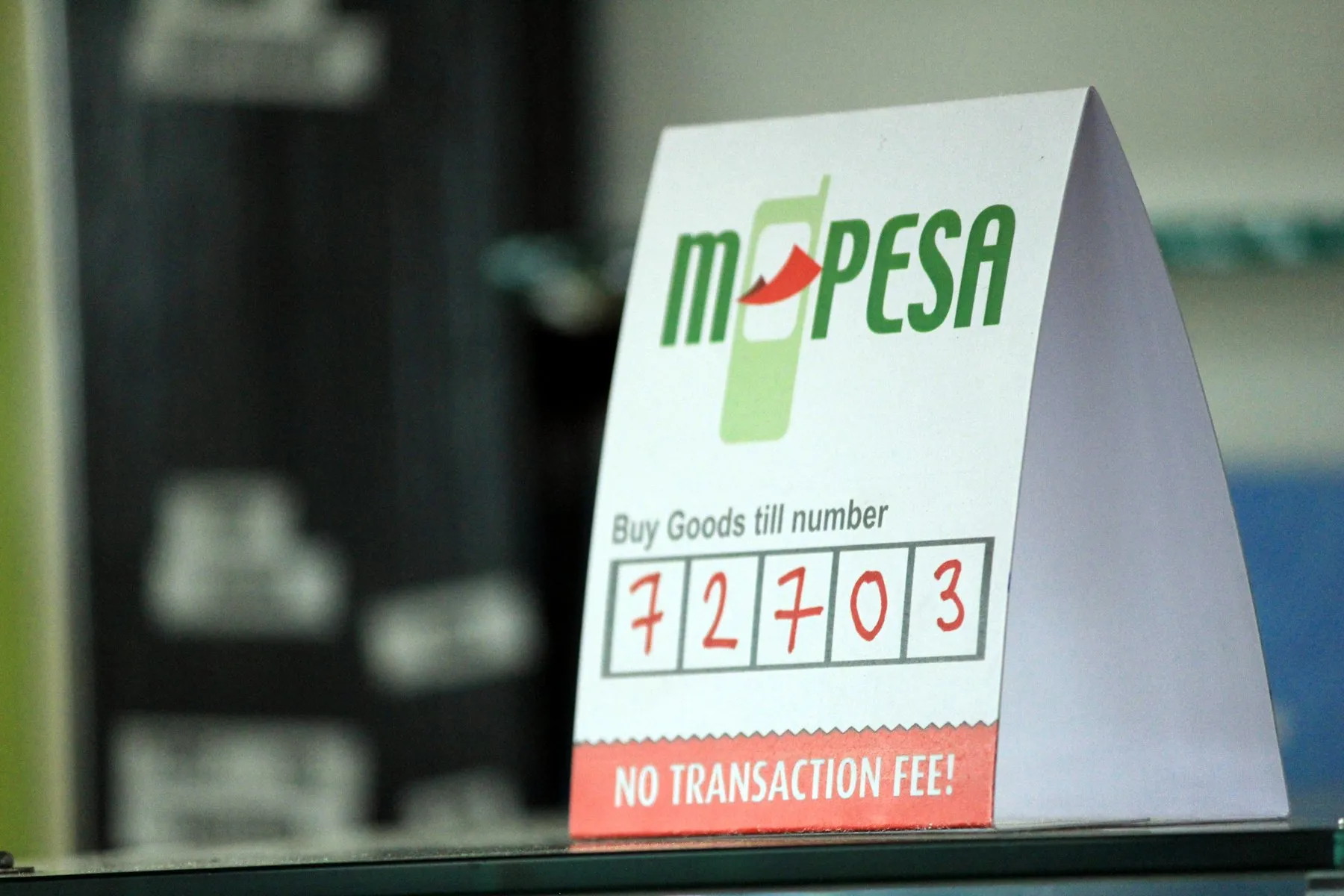
Every shop in Kenya knows the moment. A customer has a full basket, they reach for their phone to pay, and the till shows no network. On many systems that is where the sale stops. On Thamani it carries on.
Two ways to take M-Pesa
Thamani takes M-Pesa in two ways, and only one of them needs your internet.
STK push is the convenient one. The cashier enters the customer's number, the payment prompt appears on their phone, they type their PIN and the till sees the result. It needs a working connection on the till, because the request goes out to M-Pesa and the answer has to come back while the customer waits. You cannot queue an STK push for later; the customer is standing at the counter now.
The code tender is the one that works when the network is down. The customer pays your Buy Goods till number or Paybill from their own phone, through the M-Pesa menu, the same way they would at any kiosk. That payment travels over their phone's network, not your shop's internet. M-Pesa sends them a confirmation message with a code. The cashier types the code into Thamani, the sale completes and the receipt prints.
Every code is checked
Typing a code is not the end of it. When the till reconnects, Thamani checks each recorded code against the payments M-Pesa confirmed to your own till number or Paybill. A code that matches is marked as matched. A code that does not, because it was mistyped, reused or never paid, is flagged.
Each day you get a short list of any code that has not matched yet, so a problem is caught the same day rather than at the end of the month.
The sale is never held hostage by the network. The check just happens later.
When the network is up and you use STK push, Thamani also covers the case where the confirmation from M-Pesa gets lost on the way back: it asks M-Pesa directly for the status of that payment instead of guessing.
Your money goes straight to you
Thamani uses your own M-Pesa till number or Paybill. Customers pay you directly; Thamani never holds your money and never takes a cut of your sales. M-Pesa charges on your own till or Paybill stay between you and Safaricom, exactly as they are today.
What this means at closing time
Because cash and M-Pesa are both recorded on the till as they happen, the end-of-day report shows what came in by each method, with or without a network during the day. If you want to see how that report works, read closing the day with a Z-report.
Want to see an offline M-Pesa sale go through on a real till? Book a demo and we will switch the Wi-Fi off in front of you.