Best business to start in Kenya: why a shop still works, and what it needs
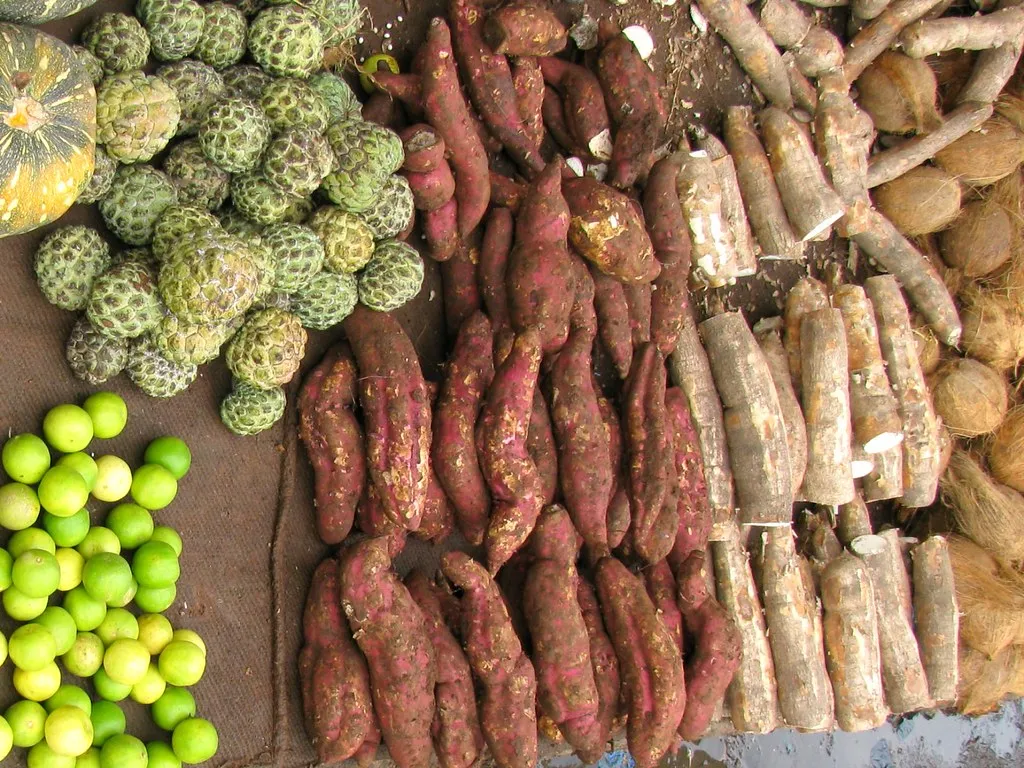
Lists of "the best business to start in Kenya" come and go, but one idea never leaves them: a shop. People buy food, farm inputs, hardware and household goods every week, in every town. A well-run shop is still one of the most practical businesses a Kenyan can start. Here is how to think it through.
Pick the right kind of shop
- Duka or minimart: everyday goods with steady demand. Margins are thin, so volume and stock control matter most.
- Agrovet: seeds, fertiliser, animal feeds and vet products. Demand follows the planting and rain seasons, and farmers value advice as much as price.
- Hardware: higher value per sale. Contractors often buy on credit.
- Wines and spirits: licensed, and busiest at weekends.
Choose the one where you understand the customer. Location and knowing what sells matter more than the category.
Get the paperwork right from day one
- A business permit from your county.
- A KRA PIN for the business.
- eTIMS registration, because KRA expects tax invoices on sales. See eTIMS registration for small shops.
- An M-Pesa till, so customers pay the business, not your personal line. See how to apply for an M-Pesa business till.
- Any sector licence your goods need, for example for alcohol or agro-chemicals.
Check the exact requirements with your county and the relevant regulator, because they differ by sector and area.
The habits that keep a shop alive
- Record every sale, cash and M-Pesa, the moment it happens.
- Count the cash every day against what the records say.
- Track stock, so you know what sells, what sits, and what goes missing.
- Keep business and personal money apart.
Most small shops that fail do not fail for lack of customers. They fail because money and stock leak away unnoticed.
The tools a new shop needs
You do not need much: a phone or tablet, a receipt printer, an M-Pesa till, and a point of sale app that works with no internet, takes M-Pesa and handles eTIMS. Our POS buyer's guide explains what to look for.
A shop is a simple business. Running it without records is what makes it hard.
Thamani is built for exactly these shops: dukas, agrovets, minimarts, hardware shops and wines and spirits shops. It starts at KES 1,500 a month, and founding shops pay nothing until eTIMS works in their shop. See pricing or book a demo.