Minimart and supermarket POS in Kenya: what a busy counter needs
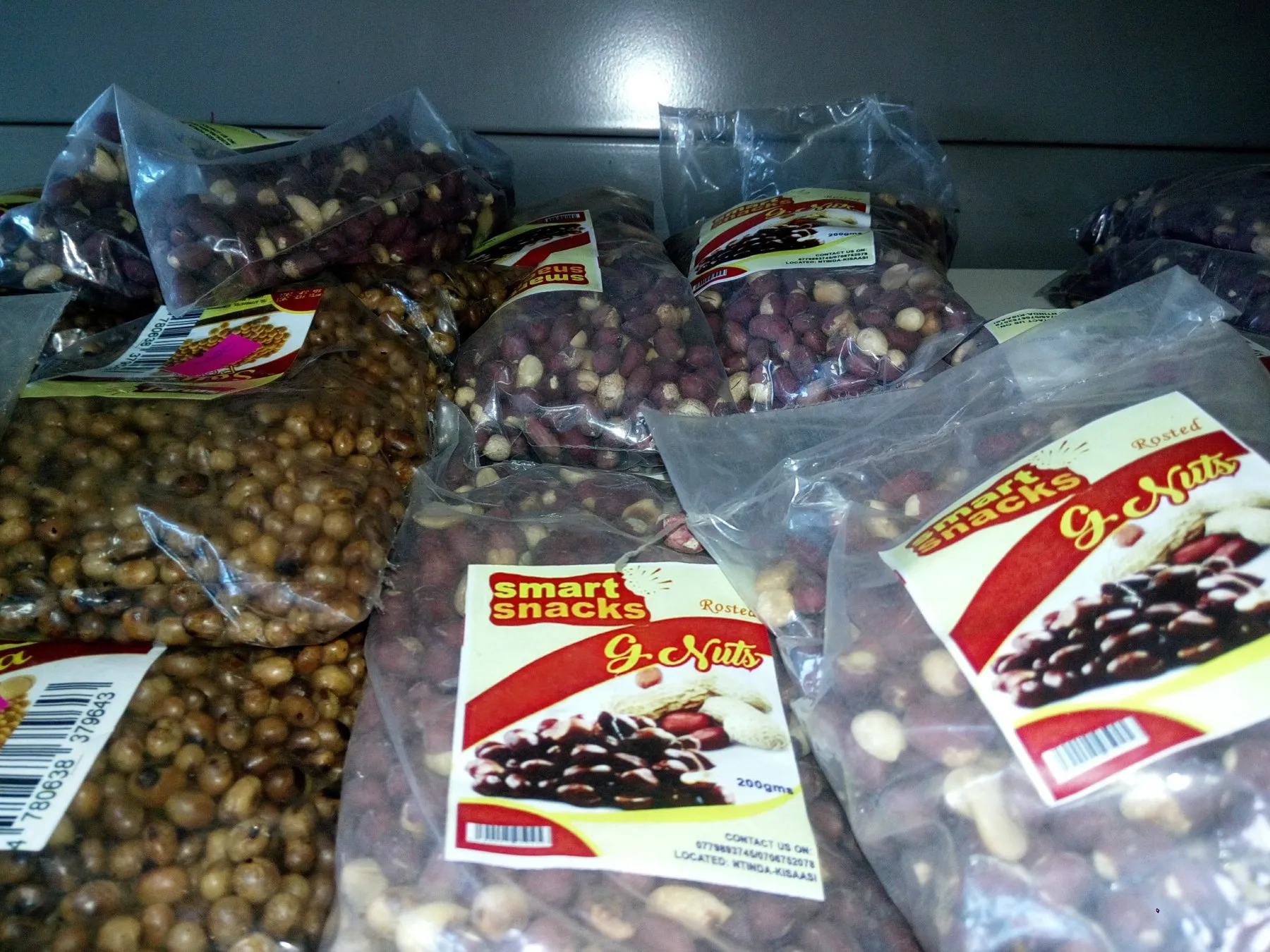
A minimart lives or dies at the counter. When the queue is out the door, every slow scan, every missing price and every "the system is down" costs sales. Here is what a minimart or small supermarket in Kenya should demand from its POS.
Speed at the counter
- Barcode scanning that adds the item instantly, with a USB or Bluetooth scanner that types straight into the till.
- Quick keys for items without barcodes: bread, loose sugar, airtime.
- Selling by weight for produce and bulk goods, with weight barcodes from your scale where you have one.
- Hold and recall, so one customer can fetch a forgotten item while the next is served.
More than one till, one stock count
Most minimarts outgrow one till. When two tills sell from the same stock, the count has to stay right even if both sell the last packet at once. The safe design records every sale and delivery as a movement, never an overwritten number. That way the count can always be explained.
Stock and buying
- Import your product list from a spreadsheet, with KRA item codes.
- Receive deliveries against purchase orders, so stock and supplier balances stay in step.
- Stock adjustments with a reason and a name, for breakages and expiry.
Cash and staff
- A PIN for each cashier, with only the rights their role allows.
- Shifts with an opening float and a count at close.
- A Z-report at the end of the day.
eTIMS on every receipt
At minimart volumes, typing invoices into eTIMS by hand is not realistic. The POS has to raise the invoice as part of each sale. See what an eTIMS invoice is.
Where Thamani fits
Thamani has a ready-made retail shop and minimart setup. Its Small plan covers 2 tills, can grow to 10, and costs KES 3,000 a month. It does barcode scanning, discounts and split cash and M-Pesa payments. Shifts close with a Z-report, stock goes down with every sale and is recorded as movements, and you can import your product list from a spreadsheet. Selling by weight, quick keys and purchase orders are on our list of later releases. Every sale is saved on the till first, so the counter keeps going when the network drops.
Thamani is built to the KRA eTIMS specification. Its certification has not started yet, and founding shops pay nothing until eTIMS works in their shop. See the Small plan and the features.
In a minimart, the till is the shop. It cannot be the thing that stops.
Send us your stock list and we will show your own products on a real till.